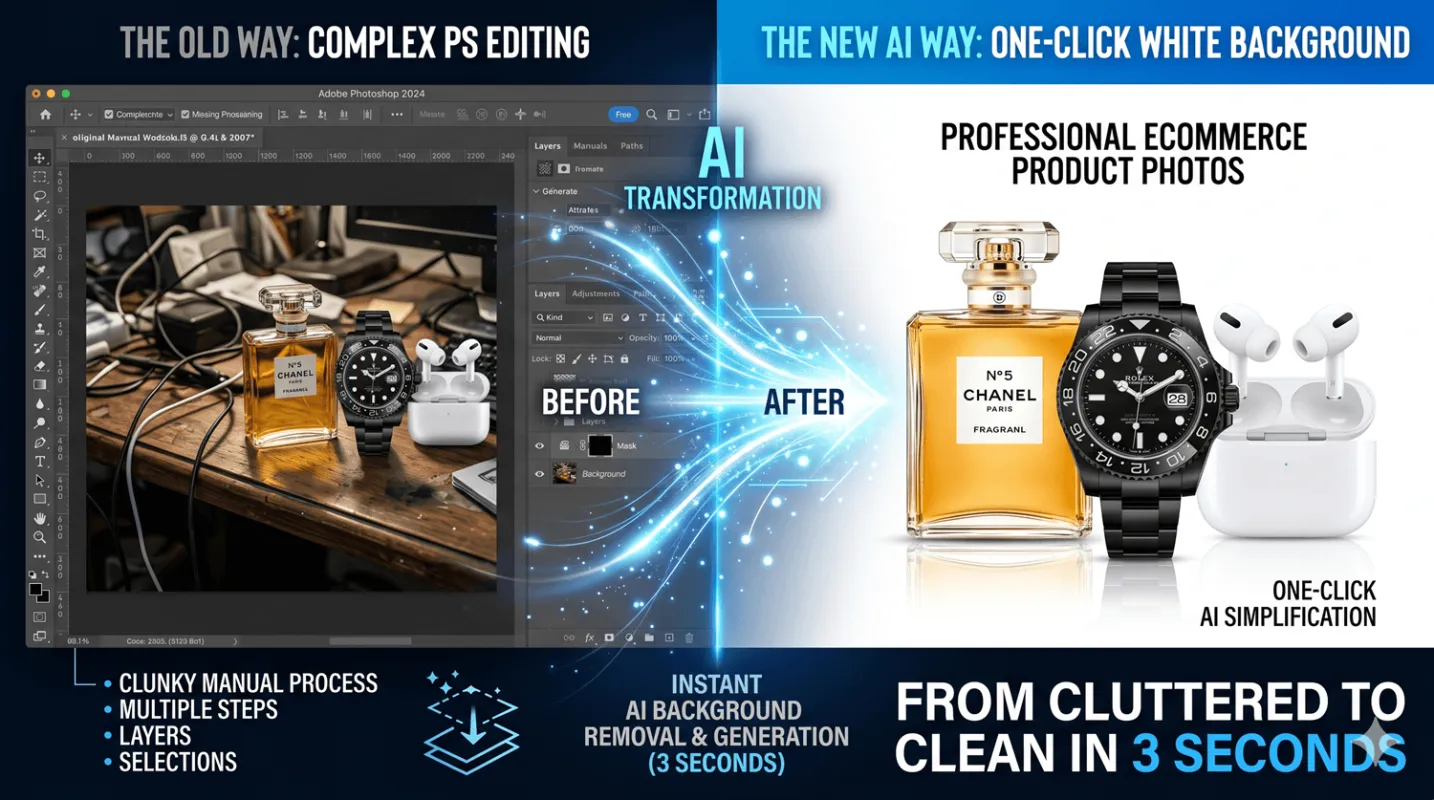
Test Design Concepts Fast - Fast Image AI Converts Sketches to Renderings
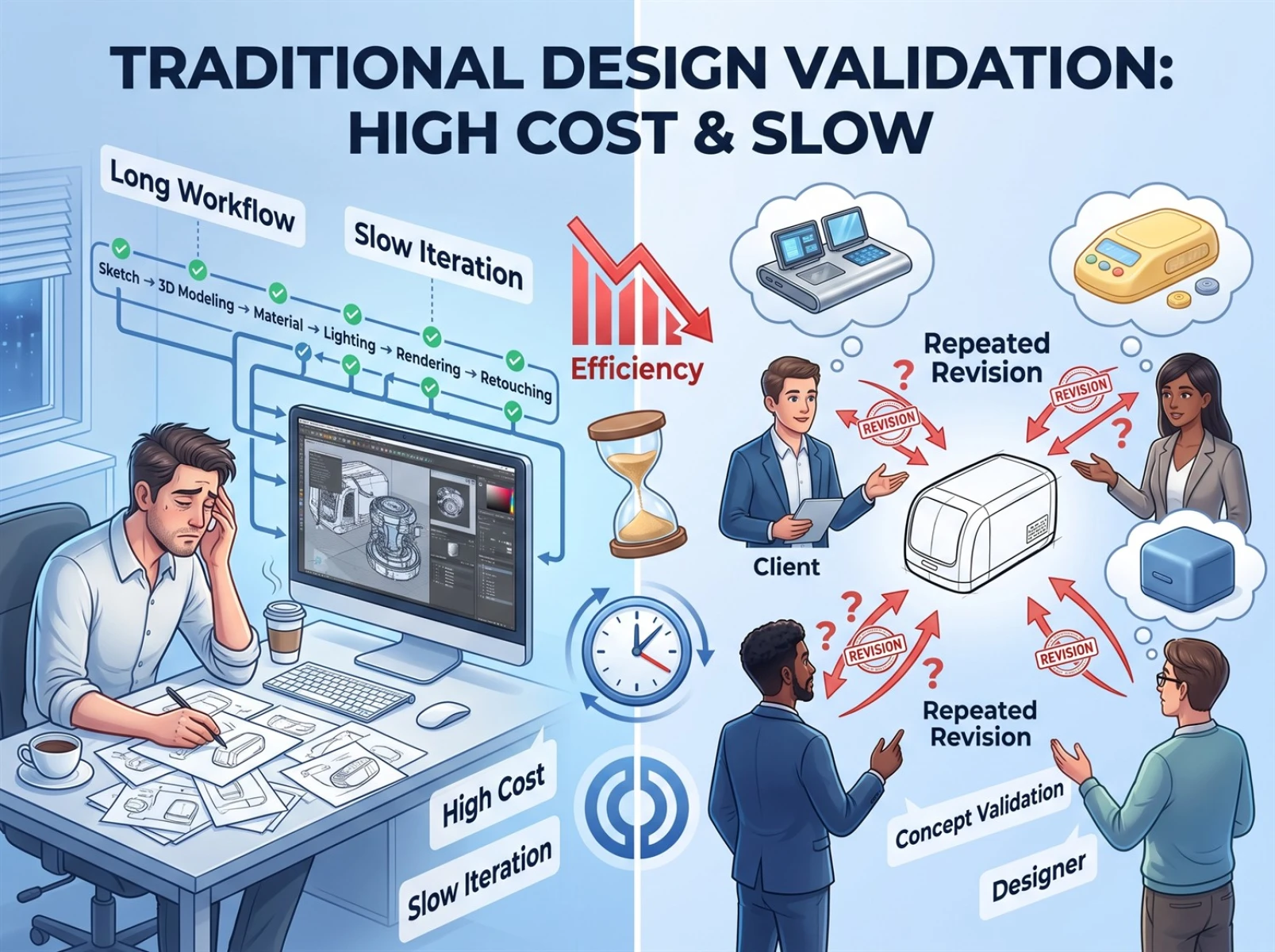
Many designers and creators face the same core challenge: they are full of creative ideas, yet the pre-scheme design verification process is cumbersome and time-consuming. While designers can easily interpret the design logic behind hand-drawn line art, product sketches and architectural drafts, simple linework alone fails to help team members and clients visualize the final finished effect during collaboration and communication. Many new designers also face a confusing problem: without solid drawing skills, how can they quickly produce high-quality renderings?
I. Why Traditional Creative Verification Workflows Are Inefficient
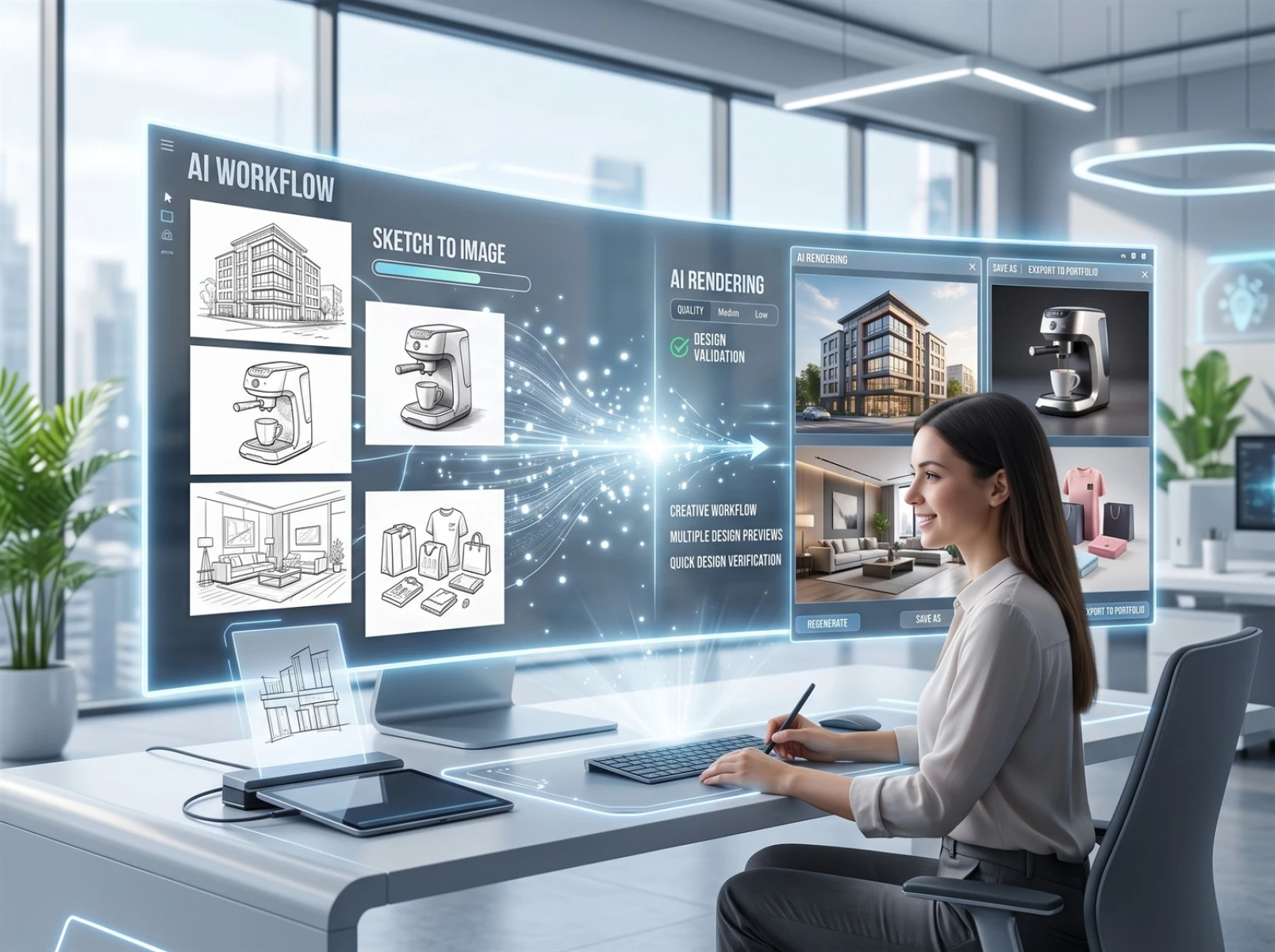
Traditional design verification follows rigid, lengthy procedures. Although these workflows deliver high-precision, stable visuals suitable for final scheme confirmation, their lengthy turnaround cycles cannot support rapid trial-and-error and multi-scheme screening in the early creative phase, greatly slowing down design iteration.
1. High Iteration Costs Limit Creative Exploration
Great design requires constant fine-tuning and testing of multiple viable solutions. Under traditional workflows, every minor revision requires a complete cycle of modeling, rendering and post-production, which leads to long waiting times and high labor costs. Restricted by time and manpower, most niche and differentiated design concepts cannot be visualized, leaving no room for multi-dimensional scheme comparison.
2. Insufficient Detail in Sketches Causes Communication Misalignment
Early hand-drawn sketches only retain basic outlines, lacking key details such as materials, lighting and scene context. Non-professional stakeholders struggle to predict real-world implementation effects from line art alone, which often creates misunderstandings among all parties, triggers repeated revisions and unproductive rework, and wastes massive working hours.
II. Exclusive Functional Highlights of Fast Image AI
Most mainstream general AI image generators focus solely on text-to-image generation. Their line art recognition capabilities are limited, often resulting in distorted structures and disproportionate proportions — outcomes unsuitable for professional design validation. Fast Image AI adopts a model specially optimized for sketch processing, with all functions tailored to the professional demands of designers and commercial creators:
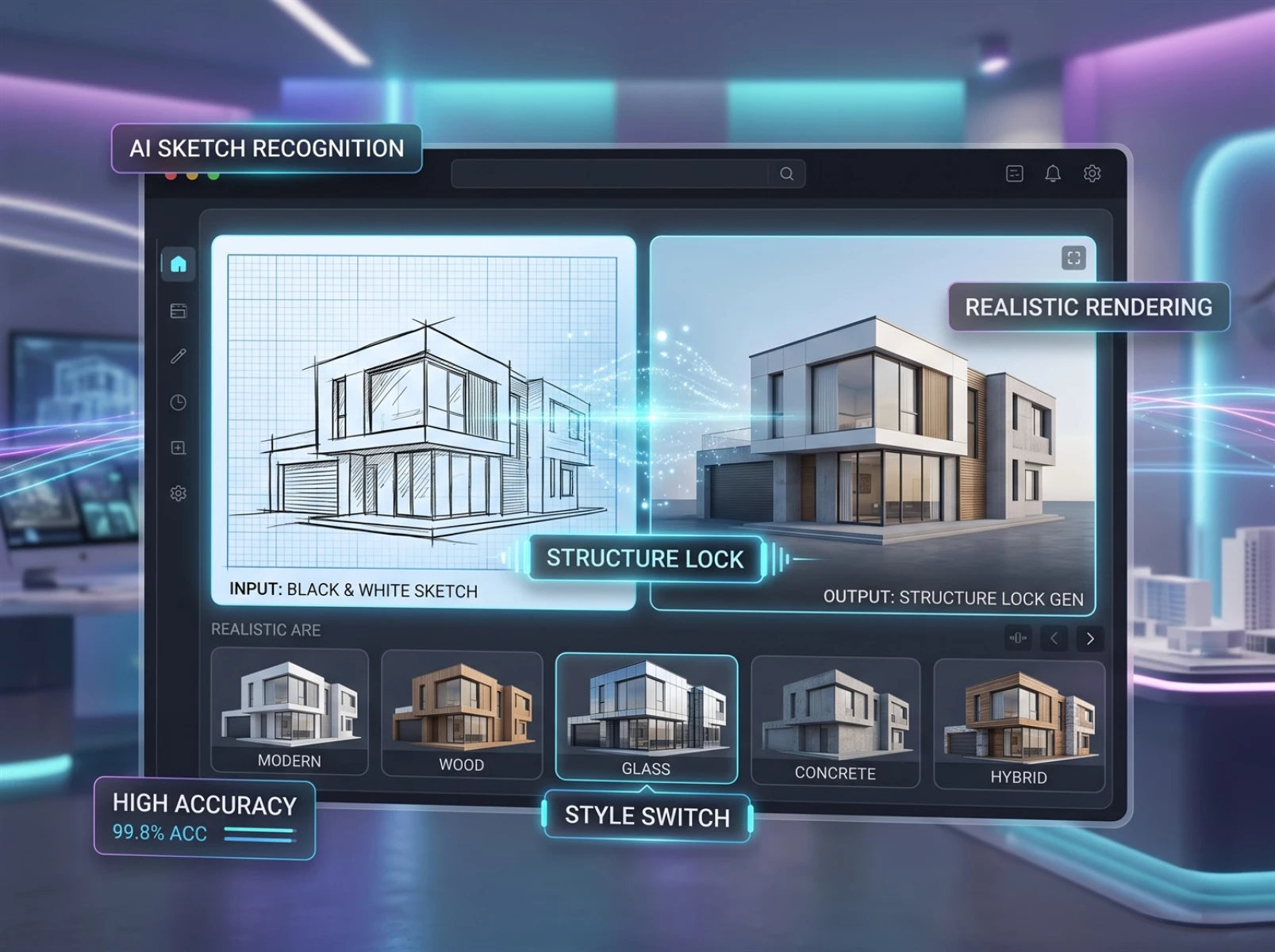
• Accurate Restoration of Line Art Structures:Equipped with a dedicated sketch recognition model that prioritizes preserving the original proportions, spatial logic and core outlines of hand-drawn drafts without altering the overall layout. This feature eliminates structural distortion and layout skew common in generic AI tools, making it ideal for professional design verification.
• Structure Lock + Free Style Switching: Lock the original structural layout of a sketch while independently replacing materials, lighting, color tones and scene styles. No sketch redrawing is needed to quickly test multiple stylistic variations based on the same base design — a lightweight iteration function unavailable on standard AI drawing tools.
• Optimized Compatibility for Rough, Low-Fidelity Sketches: Polished, standardized professional line art is not required. Rough hand-doodles, messy drafts and simple contour drawings can all be recognized with high fault tolerance, perfectly matching rapid trial-and-error demands in early-stage design.
• Realistic Rendering Tuning: Specialized optimization for four core sectors: architecture, interior design, product design and e-commerce. Generated images deliver authentic commercial texture without heavy, artificial AI filter aesthetics, and can be directly used for client presentations and material previews.
Supported by these exclusive features, Fast Image AI moves past the casual, hobby-focused positioning of mainstream AI art generators to serve professional scenarios including early-stage design verification, scheme screening and business communication across the design industry.
III. Core Application Scenarios of Fast Image AI
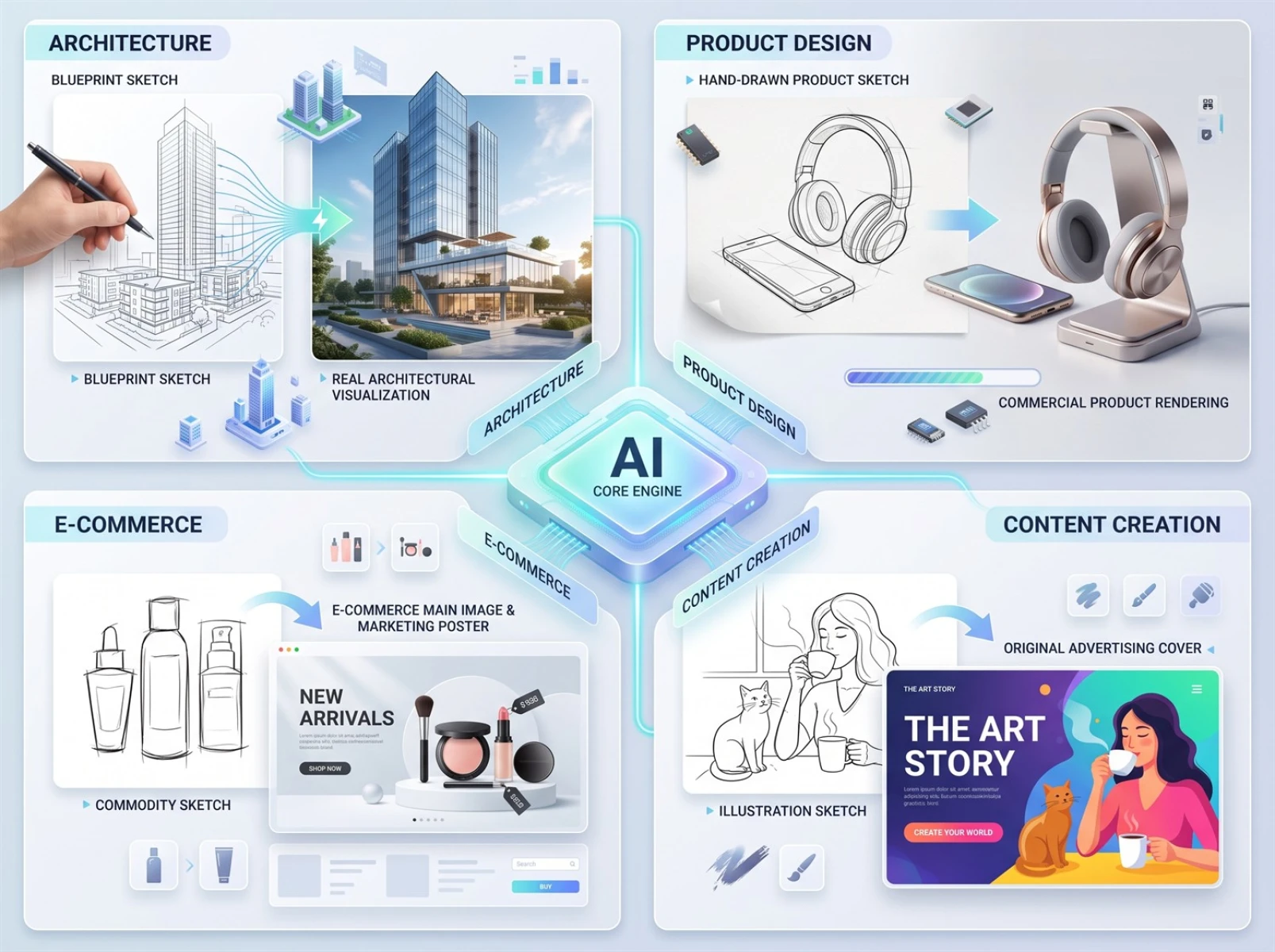
Fast Image AI covers lightweight workflows across design, operation and content creation with outstanding versatility. Its product development is built around real industry pain points to solve tangible workplace challenges.
1. Architectural Design
Architectural projects require frequent early-stage iterations, yet traditional rendering involves extremely long waiting periods, which hinders quick validation of building silhouettes, facade materials and outdoor lighting effects. A common question among architecture practitioners is: How can I generate realistic renderings from architectural sketches instantly?
Fast Image AI’s sketch-to-rendering function converts simple architectural line art into realistic conceptual drawings with authentic facade materials, natural lighting and outdoor environments. These visuals are ready for client meetings and internal reviews, with no need for modeling, detailed refinement or repeated parameter calibration.
2. Product Design
Pre-production modeling and rendering incur high costs and long lead times, leaving industrial designers and product managers with a key question: How can I generate commercial renderings from product sketches rapidly?
This AI sketch conversion tool instantly transforms product line art into photorealistic commercial renders, suitable for conceptual product showcases, pre-launch market research and crowdfunding page previews. It supports multi-version testing of materials, colors and textures before mass production, helping designers identify design flaws in advance and mitigate post-launch implementation risks.
3. E-Commerce Visual Design
Most small and medium merchants lack comprehensive professional asset libraries, face slow image production for new products, and bear high costs for visual style testing. E-commerce operators and store owners often ask: How can I produce high-quality marketing materials in bulk at low cost and high speed?
With the AI sketch conversion function, users only need to sketch product outlines and display layouts to quickly generate product hero shots, scene posters and various marketing assets. Merchants can affordably test different visual styles to boost traffic, speed up image production for new products and enable regular visual updates for online stores — resolving core pain points including insufficient assets and slow graphic output.
4. Content Creation
Self-media creators, short-video producers and advertising designers struggle with oversaturated stock imagery, time-consuming image sourcing and editing, and low efficiency in original visual content production. A widespread challenge for creators and ad designers is: How can I quickly craft high-quality original visual assets?
Teams can adopt a "sketch ideation + AI generation" workflow to convert hand-drawn drafts into original cover art, illustrations and advertising visuals. This approach eliminates reliance on generic stock content, drastically shortens content production cycles and improves the originality and uniqueness of creative works.
IV. Key Practical Advantages of Fast Image AI
1. Streamline Verification Workflows and Cut Hours Spent on Basic Tasks
Tasks that once took hours of modeling, rendering and post-production under traditional workflows can be batch-processed in a short time with this tool. Creators are freed from repetitive mechanical labor to allocate more energy to high-value work such as creative refinement, scheme optimization and demand analysis, streamlining the overall creative rhythm.
2. Low Learning Barrier, Accessible to All User Groups
The tool features an intuitive, user-friendly interface suitable for design novices and absolute beginners. Users only need a simple sketch paired with basic text prompts to generate high-quality renderings; ordinary users can independently visualize creative concepts without relying on professional modelers.
3. Low-Cost Multi-Scheme Trial and Error to Expand Creative Horizons
Traditional design is restricted by timelines and manpower, limiting teams to testing only a small number of schemes. This tool enables affordable experimentation across different combinations of styles, materials and color palettes, allowing full comparison of countless design possibilities. Users can select optimal solutions for real-world implementation while reserving ample room for creative exploration.

V. Real-World Case Study: Accelerating Interior Design Workflows
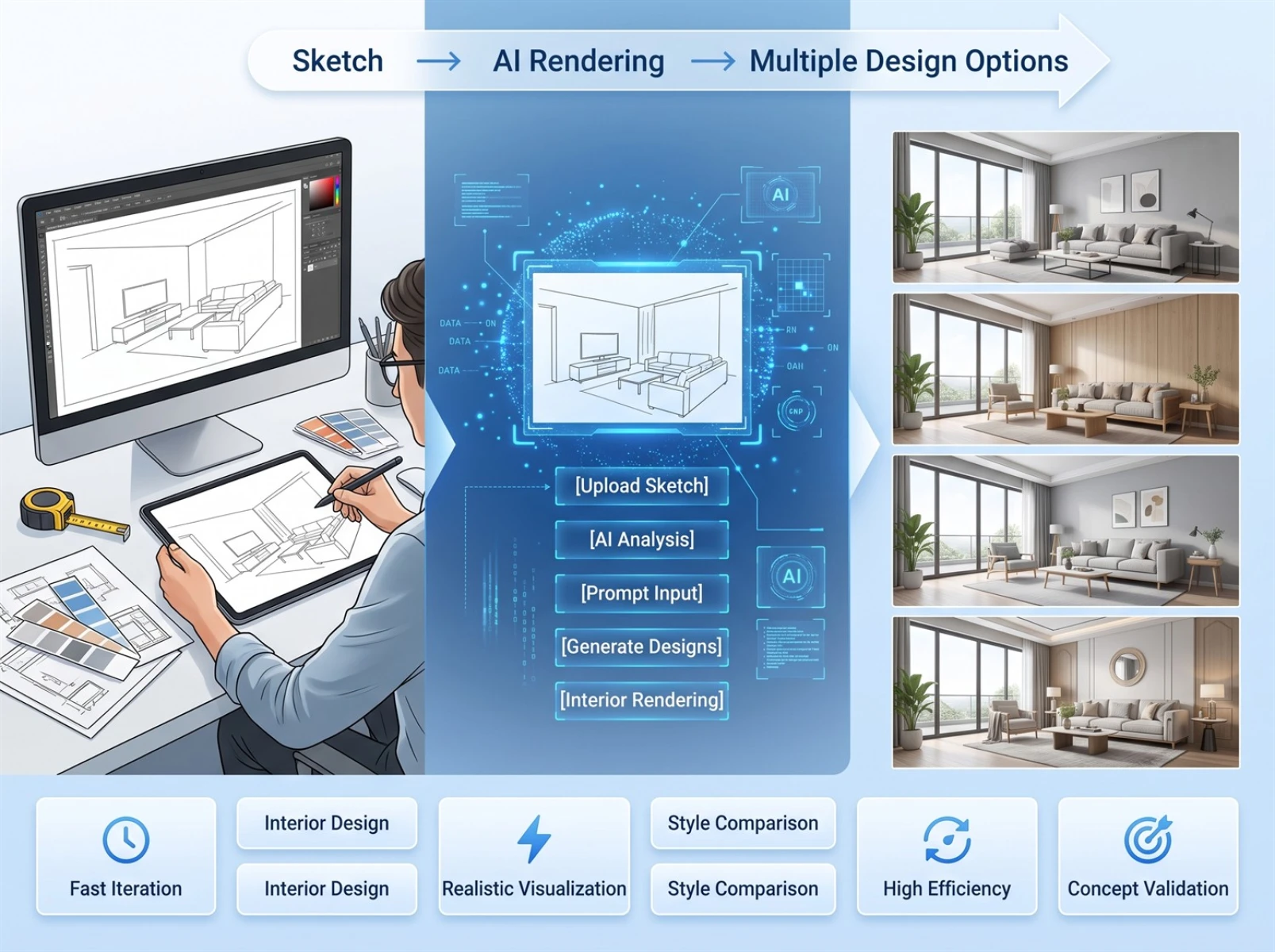
To demonstrate the tangible value of this AI sketch-to-rendering tool, we share a representative case from the high-frequency interior design sector, outlining the complete workflow and actual output results.
An interior designer took on a full-home renovation project, with only a rough hand-drawn sketch of the living room layout in the early conceptual phase. The draft merely marked wall structures, furniture placement and basic spatial proportions, with no details covering materials, lighting or soft furnishings.
Under traditional workflows, this stage would require hours of modeling, material adjustment, lighting setup and rendering to produce renderings for client handover. If the client requested style swaps or material changes, the entire iteration cycle would need to be repeated — a cumbersome, time-consuming process.
The designer uploaded the rough sketch to Fast Image AI and input targeted prompts: "Modern minimalist living room, log-style flooring + light gray walls, natural daylight, minimalist fabric soft furnishings, photorealistic residential scene, high-definition lifelike texture". Multiple differentiated design schemes covering mainstream home decor styles were generated within a short period.
VI. Frequently Asked Questions (FAQ)
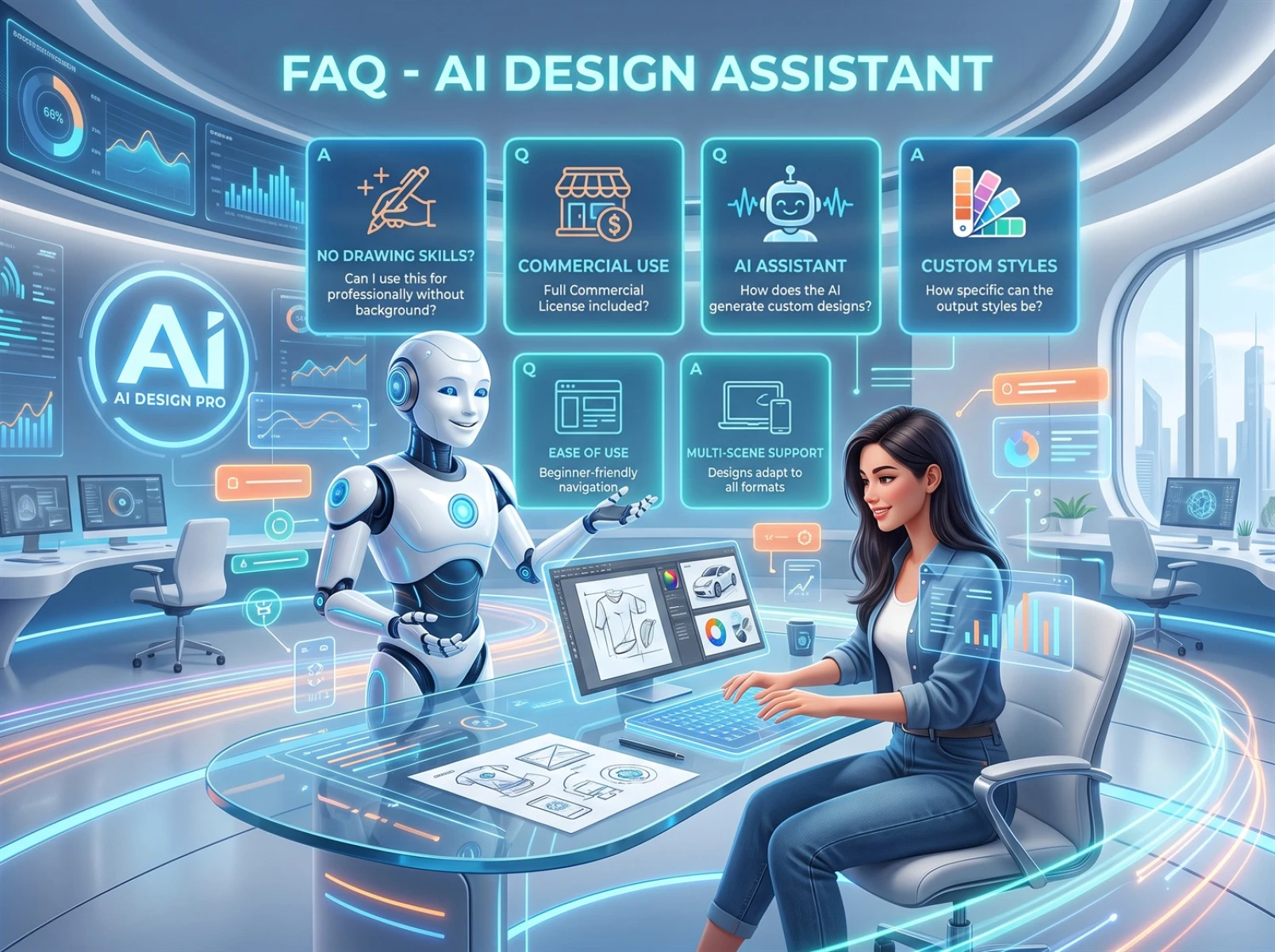
Q1: Can users without drawing skills operate Fast Image AI normally?
Yes. The platform caters to users with zero drawing experience and requires no professional artistic proficiency. Sketches do not need to be polished or fully detailed; as long as core structures and creative intent are clearly conveyed, the AI will accurately recognize and generate matching renderings.
Q2: Can images generated by Fast Image AI be used for commercial design?
Commercial usage rights for AI-generated content are governed by the platform’s latest terms of service and licensing rules, with access permissions varying across account tiers. Users are advised to thoroughly review the platform’s agreements before commercial use to avoid copyright risks.
Q3: Will AI sketch-to-image tools replace designers?
No. This tool only serves as an auxiliary solution, handling repetitive work including rapid trial-and-error, basic asset generation and conceptual visualization to reduce designers’ workloads. Core professional work such as creative conception, scheme refinement and implementation coordination remains fully controlled by designers.
Q4: Are generated renderings fixed? Can users customize adjustments?
Output effects are not static and support full customization. Users can generate numerous distinct visual schemes by modifying sketch details, refining prompt wording and adjusting style parameters to meet creative demands across all scenarios.
Conclusion
Based on real-world application experience across design and creative industries, the core barrier to creative implementation is never a lack of inspiration — but cumbersome, costly traditional design verification workflows that bottleneck creative iteration. If you are seeking an efficient, low-cost solution to validate design concepts, try Fast Image AI’s sketch-to-rendering feature. Upload your first sketch, pair it with custom prompts to unlock diverse creative directions, and efficiently complete early-stage creative testing and scheme screening.